Explore how sustainable flooring materials like bamboo, cork, and reclaimed wood are transforming Hamptons homes while embracing environmental responsibility.
Share:

Summary:
Eco-friendly flooring is typically categorized as any flooring produced primarily using natural, low-carbon, and/or recycled materials, designed to have the lowest possible environmental impact over the course of its lifespan. But there’s more to this shift than environmental responsibility.
Eco flooring options often come with a host of other perks – they can be more durable, healthier, and cost-effective in the long run. Plus, they look fantastic. Eco-friendly floors are typically made from natural materials, which means fewer chemicals and toxins in your home, leading to improved indoor air quality and a healthier living environment.
Many sustainable flooring materials are known for their durability and longevity. For example, bamboo and cork are not only renewable resources but also incredibly tough, meaning you won’t have to replace your floors as often, saving you time, money, and reducing waste.
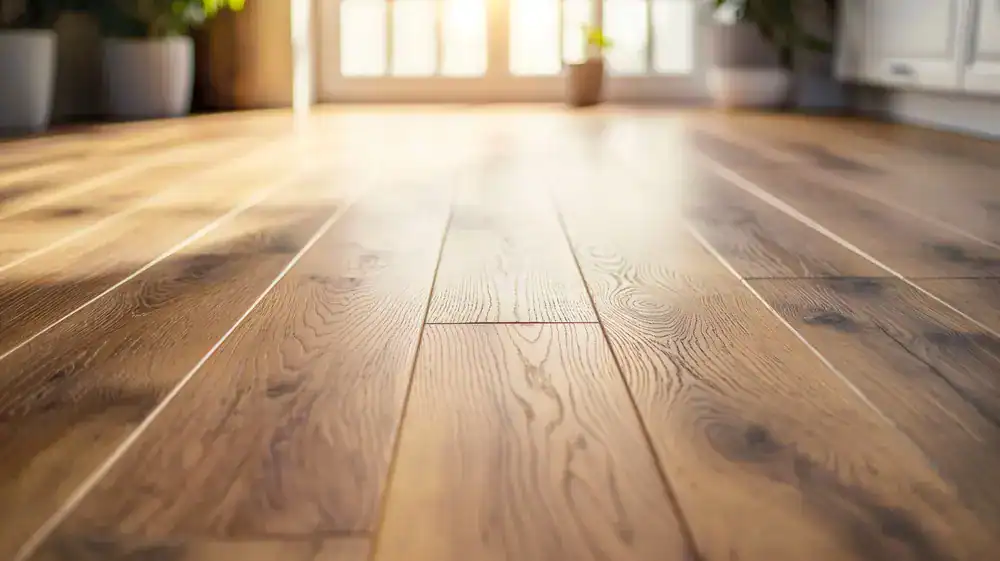
Bamboo is a top choice for sustainable wood flooring because it grows incredibly fast—some species can grow up to three feet in just 24 hours, making it a highly renewable resource. Bamboo is the fastest growing plant in the world and is able to grow up to four feet a day.
Despite being a grass, bamboo has a strength-to-weight ratio that rivals traditional hardwoods. It’s durable and can handle wear and tear, making it a great option for busy households. Bamboo’s strength is impressive, especially in strand-woven varieties, which are known to be harder than oak and other traditional hardwoods.
The aesthetic possibilities are impressive too. Bamboo flooring can be engineered to mimic the appearance of traditional hardwood, with a range of color options and grain patterns to choose from. Colors for bamboo flooring range from natural light tones to darker carbonized shades of brown to stained products of almost any hue imaginable.
However, there are considerations. Bamboo has high VOCs, volatile organic compounds, because of the way it is manufactured. Stalks are cut into thin pieces and glued together with adhesives and pressure. So, although it’s a sustainable product, it has implications of not being a “green” product based on the toxicity of the glues. Since manufacturing bamboo flooring is a complex process, you should only buy from a reputable dealer that offers a long-term warranty on their products.
Cork is another fantastic option. It’s harvested from the bark of the cork oak tree without harming the tree itself, allowing it to regenerate. Cork trees reach maturity at 25 years. Once the bark is peeled away, it can regenerate on the live tree in nine to 12 years. A single cork tree will typically live 150 to 200 years, though these trees can live up to 800 years.
The comfort factor sets cork apart. Cork flooring offers a soft, cushioned feel underfoot, making it an excellent choice for those seeking comfort. Additionally, cork acts as a natural insulator, retaining warmth and reducing noise, making it perfect for bedrooms, playrooms, and home offices. One of the standout benefits of cork flooring lies in its natural insulation properties. The cellular structure of cork creates a barrier against temperature fluctuations, keeping rooms warm in winters and cool in summers, hence reducing energy costs.
Health benefits are significant too. Cork’s natural resistance to mold, mildew, and pests makes it a great option for maintaining a healthy indoor environment. Cork flooring is hypoallergenic and antimicrobial, making it a great choice for those with allergies or respiratory sensitivities. Its shock-absorbent nature provides a comfortable surface to walk on, reducing strain on joints.
The aesthetic appeal shouldn’t be overlooked. Cork flooring offers a unique textured look that can add visual interest to your space. With a variety of colors and patterns available, cork flooring can complement any design aesthetic. However, while it is a very springy material and resistant to dents, it tends to show scratches and scrapes, and some spills will stain cork flooring, and sunlight can bleach some of the color out of this product.
Want live answers?
Connect with a Hamptons Carpet One expert for fast, friendly support.
Reclaimed wood is perfect for those who appreciate history and eco-conscious living. By repurposing wood from old structures like barns and warehouses, you reduce the need for new lumber, conserving natural resources. Reclaimed wood is salvaged from old buildings, barns, or other structures and gives your home a unique character while reusing existing materials. It’s like giving history a second life right under your feet.
Reclaimed wood flooring, with its distinctive character and patina, can create a warm and inviting atmosphere that evokes the charm of bygone eras. Each piece of reclaimed wood carries its own story, adding unique charm and character to your floors. This option not only supports sustainability but also brings a sense of warmth and history to your space.
For new hardwood, certification matters. Choosing FSC-certified hardwood means opting for wood sourced from responsibly managed forests. The Forest Stewardship Council (FSC) sets rigorous environmental and social standards to ensure that the wood is harvested sustainably, protecting ecosystems and supporting local communities.
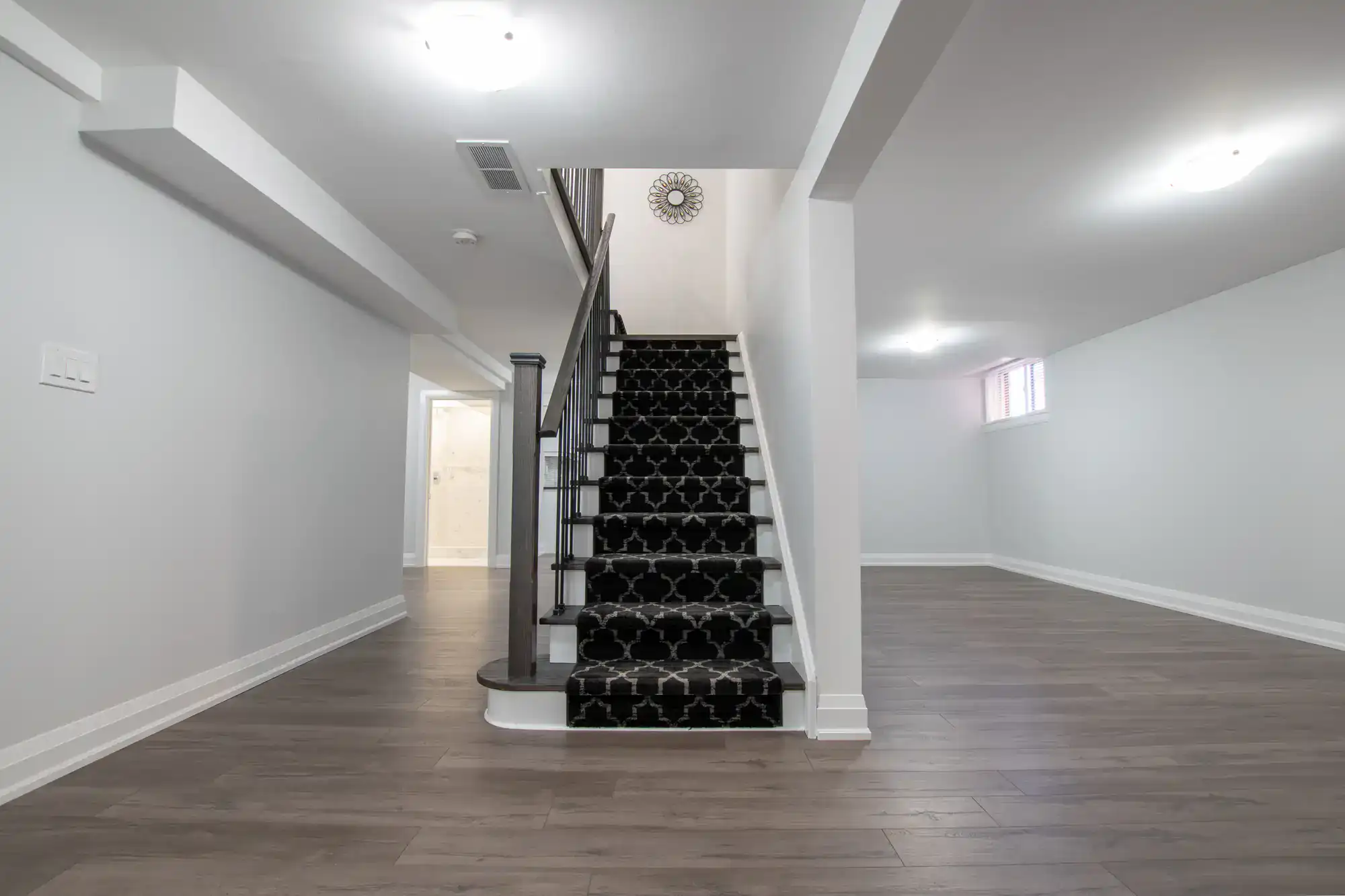
Reclaimed wood floors have a unique character and history that new wood floors can’t replicate. Many types of reclaimed wood are from old-growth trees and are more durable than new wood. Reclaimed wood flooring offers a variety of wood types, each with its own history, color, and grain. Oak, pine, and walnut are popular choices, all bringing rich textures and warmth to your space.
The sustainability benefits extend beyond just reusing materials. Resource Conservation: Reduces demand for new lumber. Historical Charm: Each plank has a history, adding a unique story to your home. By opting for reclaimed wood, you’re choosing a material that’s been salvaged from old buildings, barns, or even shipping pallets. This not only minimizes the demand for new timber, reducing deforestation, but also gives your home a distinct, storied look that new wood simply can’t replicate.
However, there are practical considerations. Reclaimed wood can be more expensive than new wood due to the labor involved in sourcing and preparing it. There might be limited quantities of certain types of reclaimed wood. The uneven or distressed nature of the wood can make it more challenging to install, and specialized techniques may be necessary to ensure a secure and level surface. It’s recommended to work with experienced flooring professionals when installing reclaimed wood to achieve the best results.
Installation requires expertise, but the results are worth it. In the event of minor wear and tear, many sustainable flooring options can be repaired or refinished, rather than requiring a complete replacement. For instance, reclaimed wood floors can often be sanded and re-stained to restore their original luster. This flexibility helps to maximize the usable life of your flooring, aligning with the principles of sustainability.
When selecting sustainable flooring, look for certifications that verify environmental claims. These include: FSC (Forest Stewardship Council): Ensures wood products come from responsibly managed forests. GreenGuard Certification: Indicates products have low chemical emissions. FloorScore Certification: Ensures compliance with strict indoor air quality emission criteria. These certifications help consumers make informed decisions and ensure the materials align with green building standards.
The Hampton aesthetic works beautifully with sustainable choices. Lighter, neutral colored timber flooring is perfect at bringing that coastal feel that you look for in a Hampton home. The subtle knots and grains of European Oak flooring lend themselves well to this style. White marble with soft gray veining is the perfect neutral backdrop for many Hamptons-style homes. Give Bianco Dolomite a try if you want to keep the gray to a minimum, or opt for Bianco Venatino if you want the veins to be a bit more pronounced.
Cost considerations should factor in long-term value. Sustainable flooring options may have higher upfront costs compared to traditional materials, but the long-term benefits often outweigh the initial investment. Consider factors such as durability, maintenance requirements, and energy efficiency to assess the overall lifetime value of your flooring choice.
The trend toward sustainability isn’t going away. The study reveals that sustainability has become more important to consumers. Sustainability is an irrefutably significant thought for designers and architects, as well as the customers they design for. Sustainability is more than just a buzzword—it’s a movement, and eco-friendly vinyl flooring is no longer a niche request – it’s the new design baseline. Homeowners, architects, and developers now expect surfaces that deliver refined aesthetics, lasting performance, and minimal environmental impact.
By exploring the sustainable flooring options of bamboo, cork, and reclaimed wood, homeowners can transform their living spaces with a focus on environmental responsibility, indoor air quality, and long-term durability. These eight trends are more than just fleeting favorites; they’re investments in the look and feel of your home for the long haul.
Sustainable flooring options need not compromise on aesthetics. Bamboo, cork, and reclaimed wood are available in a wide range of colors, textures, and finishes, allowing you to seamlessly incorporate them into your desired home design. By aligning your flooring choice with your overall renovation vision, you can create a harmonious and eco-friendly living space.
The key is working with professionals who understand both sustainability and the unique needs of Hamptons homes. When you’re ready to explore these sustainable options, we at Hamptons Carpet One Floor & Home bring decades of experience helping local homeowners make choices that reflect both their values and their lifestyle, ensuring your floors look stunning while supporting your commitment to environmental responsibility.
Article details:
Share:
Continue learning: