Conscience Underfoot: How Eco-Conscious Luxury Carpets Are Winning Over the Hamptons' Most Discerning Homeowners
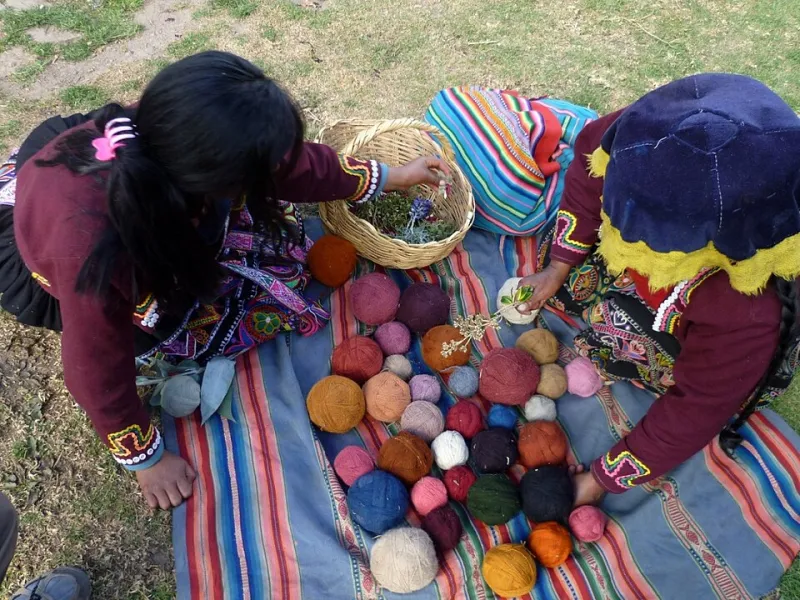
Photo: SuSanA Secretariat, CC BY 2.0, via Wikimedia Commons
The Hamptons has long been a place where aspiration takes visible form — in architecture, in landscaping, in the careful curation of every interior surface. It should come as little surprise, then, that the region's most thoughtful homeowners are now applying that same exacting standard to the environmental credentials of their flooring choices. What is perhaps unexpected is how thoroughly the market has responded: the finest sustainable carpets available today are not compromises. They are, by many measures, superior products.
Across Southampton, East Hampton, and Bridgehampton, a meaningful shift is underway. Homeowners who once might have treated eco-conscious flooring as a niche concern — something adjacent to, but separate from, genuine luxury — are now treating environmental integrity as a core criterion in their acquisition decisions, on equal footing with aesthetics, provenance, and performance.
Reframing the Relationship Between Quality and Responsibility
The traditional assumption that sustainability and premium quality exist in tension with one another has been substantially dismantled by advances in fiber technology and a renewed appreciation for time-honored natural materials. Wool, long the gold standard of luxury carpet construction, offers an instructive example. Naturally renewable, biodegradable, and extraordinarily resilient, high-grade wool from responsibly managed flocks in New Zealand, the United Kingdom, and Uruguay combines environmental integrity with the performance characteristics that discerning homeowners demand: natural flame resistance, moisture regulation, and a depth of pile that synthetics have never convincingly replicated.
Similarly, hand-knotted carpets produced by artisan workshops with transparent supply chains — where fair labor practices, natural dyes derived from plant and mineral sources, and low-impact finishing processes are standard — represent a form of sustainability that is inseparable from quality. The same conditions that produce an ethically sound carpet tend to produce a technically excellent one: unhurried production timelines, skilled craftsmanship, and materials selected for durability rather than cost efficiency.
"When clients ask me about sustainable options, I tell them they're actually asking about the best options," says one Bridgehampton-based interior designer whose practice has increasingly centered on responsible sourcing. "The overlap is almost complete at the top of the market."
Materials at the Frontier of Eco-Conscious Innovation
Beyond traditional natural fibers, a new generation of materials is expanding the palette available to environmentally conscious buyers without requiring any sacrifice in visual or tactile refinement.
Recycled and reclaimed fibers have matured considerably as a category. High-performance yarns derived from post-consumer PET — reclaimed ocean plastics among them — are now being woven into carpets with the density, luster, and colorfastness expected of conventional luxury products. Several European and American manufacturers have invested substantially in closed-loop production systems that minimize water consumption, reduce chemical discharge, and allow end-of-life carpet components to re-enter the production cycle rather than reaching landfill.
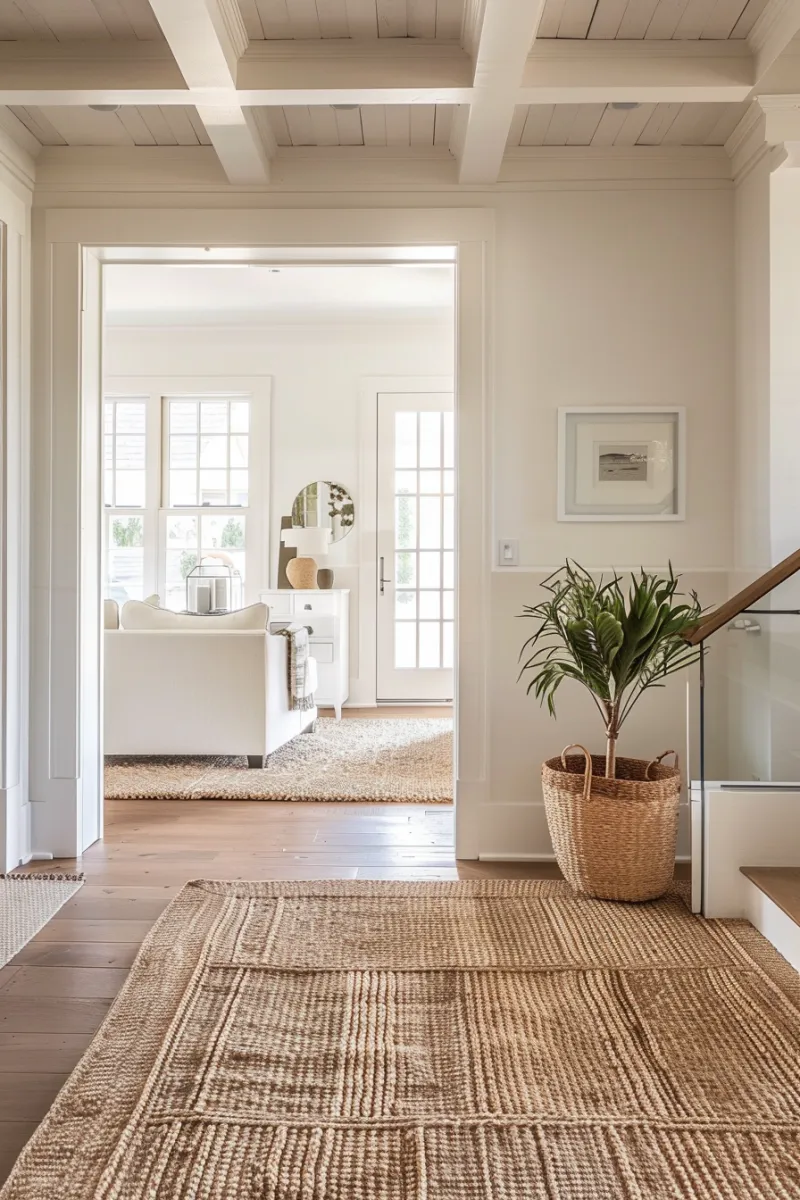
Plant-based alternatives such as sisal, seagrass, jute, and sustainably harvested bamboo silk offer natural texture and visual interest particularly well suited to the relaxed coastal aesthetic that defines many Hamptons interiors. When properly sealed and maintained — a consideration that requires attentive care protocols in humid coastal environments — these materials perform admirably in high-traffic areas and respond beautifully to natural light.
Vegetable-dyed wool represents perhaps the most direct convergence of historical craft and contemporary environmental values. Natural dyes derived from indigo, madder, pomegranate rind, and other botanical sources produce color profiles of extraordinary complexity — tones that shift subtly under different lighting conditions and develop a distinctive patina with age, qualities that synthetic dyes are structurally incapable of replicating.
Identifying Genuine Credentials in a Crowded Market
As consumer interest in sustainable luxury has grown, so too has the prevalence of claims that bear limited relationship to actual environmental practice. For Hamptons homeowners serious about the integrity of their acquisitions, a measure of informed skepticism is warranted.
Third-party certifications provide a useful starting point. The Global Organic Textile Standard (GOTS), the Responsible Wool Standard (RWS), and the OEKO-TEX Standard 100 each address different dimensions of production — fiber sourcing, processing chemistry, and finished product safety, respectively — and require independent verification rather than self-reporting. Carpets bearing these certifications have met defined thresholds; those without them may still be excellent products, but their environmental claims require more direct substantiation.
Provenance documentation is equally telling. A manufacturer or dealer capable of identifying the specific farms, cooperatives, or workshops involved in a carpet's production — and willing to provide that information transparently — demonstrates a supply chain relationship built on accountability. Vague references to "natural materials" or "artisan production" without supporting detail warrant further inquiry.
The Long View: Sustainability as an Investment Framework
For the environmentally conscious Hamptons homeowner, there is a final argument for sustainable luxury flooring that transcends both ethics and aesthetics: durability. A hand-knotted wool carpet produced under responsible conditions, maintained with appropriate care, and treated as a long-term investment rather than a disposable furnishing may comfortably outlast multiple generations of synthetic alternatives. The environmental cost of production, amortized across decades of use, becomes negligible.
This long-view orientation aligns naturally with the broader philosophy of considered acquisition that characterizes the most sophisticated Hamptons interiors. The choice of an eco-conscious carpet, made thoughtfully and maintained well, is not a statement of restraint. It is an expression of the same values that have always defined genuine luxury: quality that endures, beauty that deepens with time, and the quiet confidence of a decision made without compromise.