The Salt Air Protocol: Keeping Heirloom Carpet Alive a Mile From the Atlantic
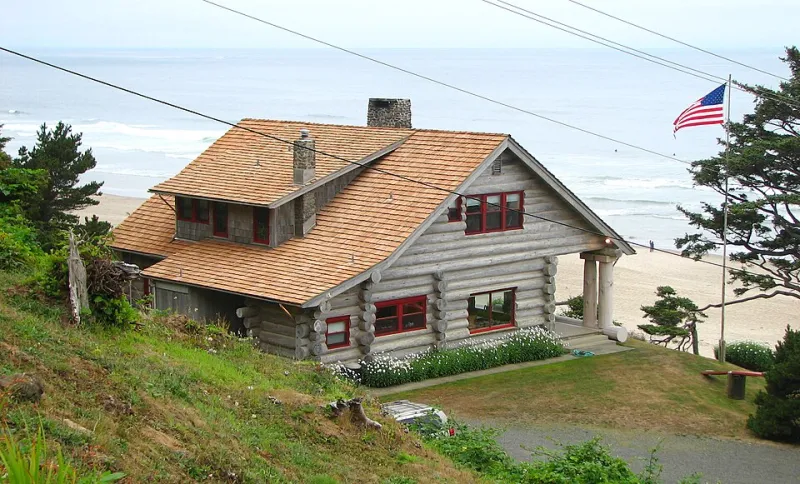
Photo: Ian Poellet, CC BY-SA 3.0, via Wikimedia Commons
The Hamptons sells a dream of barefoot ease — sand between the boards, doors flung open to the salt breeze from June through September. What the brochures omit is what that same breeze does to a ten-thousand-dollar wool carpet.
Coastal air is a slow, patient adversary. It carries moisture that swells and shrinks natural fibers through thousands of invisible cycles each season. It delivers salt, which is hygroscopic by nature — it draws ambient humidity into the pile and holds it there. And it arrives attached to the finest sand on the Eastern Seaboard, quartz particles sharp enough to function as microscopic saw blades against any fiber they encounter.
For homeowners unwilling to trade beauty for pragmatism, the answer is not resignation. It is protocol.
Understand What the Ocean Is Doing to Your Floor
The first step in coastal carpet care is diagnosis. Humidity in an unconditioned beach house can swing from 40 percent to 80 percent in a single week, and wool — a hygroscopic fiber by design — absorbs and releases that moisture constantly. Left unmanaged, this cycling dulls the fiber's natural lankiness, encourages mildew in the backing, and creates an all-you-can-eat environment for carpet moths, which thrive in the still, humid, undisturbed corners of a shore house.
Sand is the second adversary, and the more mechanical one. A single grain tracked from the deck does its damage not on the surface but deep in the pile, where foot traffic grinds it against the fiber like sandpaper on silk. The visible symptom is a traffic lane that grays and frays years before its time.
The Defense, Layer by Layer
Professionals who maintain the East End's finest interiors describe a defense built in layers:
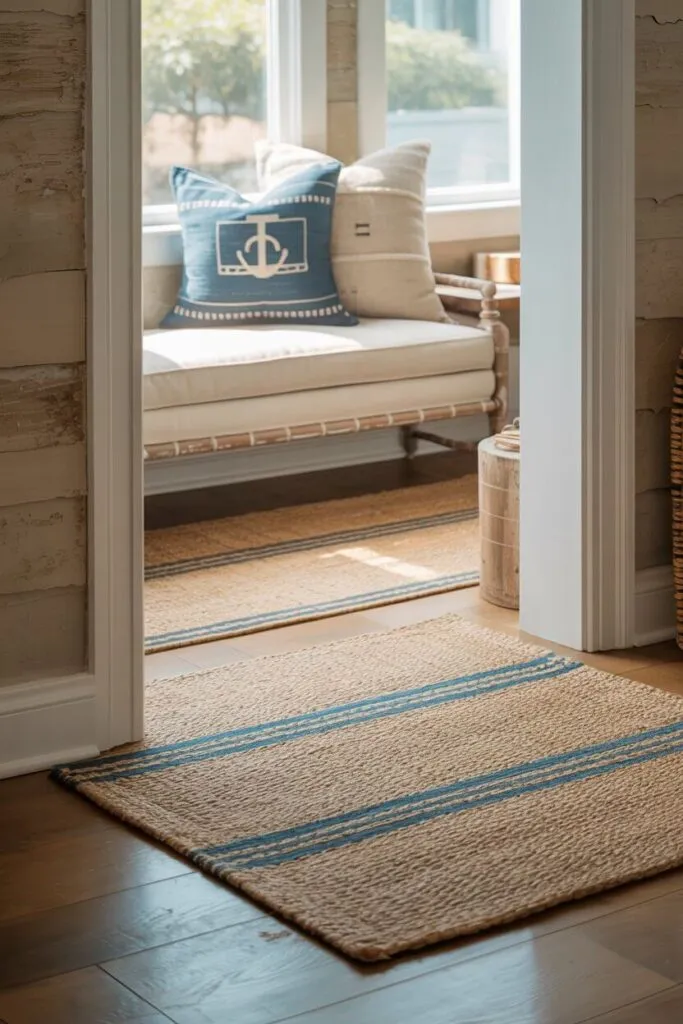
Entry architecture. No coastal carpet survives without a serious entry system. This means exterior door mats, interior absorbent walk-off mats of at least six feet, and a household rule — cheerfully enforced — that shoes come off at the threshold. It sounds fussy. It is the single highest-return habit in coastal floor care.
Vacuuming as ritual, not chore. In a beach house, vacuuming is not weekly maintenance; it is frequent excavation. High-traffic paths near doors and stairs benefit from passes three to four times a week with a vacuum offering strong suction and an adjustable beater bar set high enough to coddle wool. The goal is removing grit before it migrates to the base of the pile.
Humidity as a managed variable. Homes that keep interior relative humidity between 40 and 55 percent report dramatically fewer moth incidents and markedly better fiber longevity. A whole-house dehumidification system is an investment; standalone units in enclosed rooms are the accessible alternative.
Professional cleaning on the coastal calendar. Inland homes can stretch professional cleanings to eighteen months. Seaside homes should not. An annual hot-water extraction by a technician experienced with natural fibers — timed for late summer or early fall, after the season's assault — resets the carpet before the quiet months.
The Treatment Revolution
The past decade has transformed what is possible near the water. Modern fluorochemical-free stain treatments create molecular barriers that cause spills to bead on the fiber surface rather than wick inward — a meaningful difference when the spill in question is iced coffee on white wool. Solution-dyed fibers, colored all the way through rather than surface-dyed, shrug off the sun-fading that once made beach-house carpets a five-year proposition.
And for the truly committed, marine-grade wool blends and performance fibers engineered for hospitality settings now come in weaves indistinguishable from heirloom pieces. The compromise that once existed between coastal living and luxury flooring has, for practical purposes, been engineered away.
The Payoff
There is a quiet satisfaction in walking a guest through a beach house where the carpets look as fresh in September as they did on Memorial Day. It signals a home that is not merely enjoyed but stewarded.
The ocean will keep coming for your floors. With a protocol in place, it will keep losing.