Woven Into the Family Record: How Hamptons Estates Are Archiving Their Carpet Legacies for Generations to Come
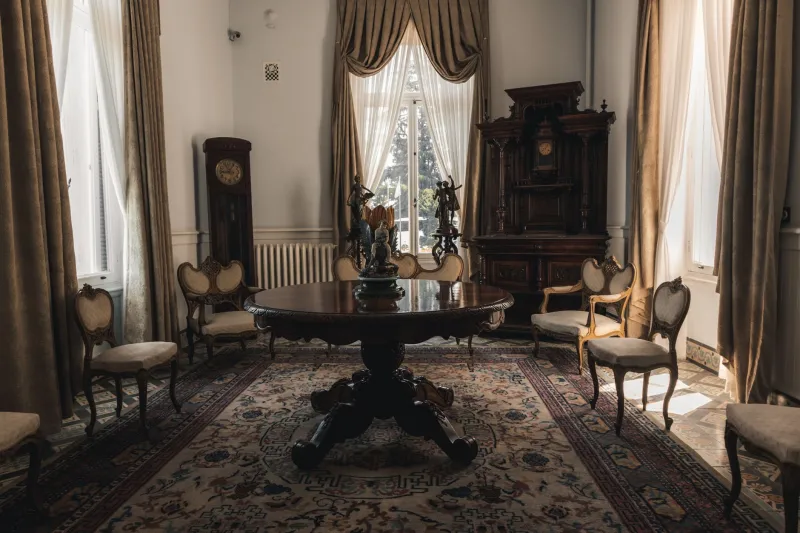
There is a particular kind of silence that settles over a room when a carpet has been part of it for decades. It is not emptiness but accumulation—of footsteps, of conversations, of seasons observed from the same vantage point. For the families who commission and collect the finest floor coverings across the Hamptons, that silence carries weight. Increasingly, they are choosing to give it a voice.
A quiet but significant movement is taking shape among the region's most discerning homeowners: the formal archiving of carpet collections as part of broader estate planning and family legacy practices. Where previous generations might have passed down a cherished Sultanabad or hand-knotted Tibetan wool piece with little more than a verbal note about its origins, today's collectors are building comprehensive records—photographic, historical, and curatorial—that transform a floor covering into a fully documented family artifact.
From Acquisition to Archive: The New Standard of Carpet Stewardship
The process typically begins at the moment of acquisition. Where once a purchase receipt sufficed, the contemporary Hamptons collector now expects considerably more. Specialist carpet cataloging services—a niche profession that has grown steadily over the past decade—work alongside buyers to establish a foundational record from the outset. This document might include the carpet's country and region of origin, its approximate weave date, the artisan workshop or master weaver if known, the specific dyes and fiber compositions used, and a detailed condition assessment at the time of purchase.
Photographic documentation has become particularly rigorous. High-resolution images capture not only the full face of the carpet but also its reverse, its selvedges, and any areas of repair or restoration. Some catalogers now employ raking light photography—a technique borrowed from fine art conservation—to reveal the three-dimensional texture of the pile and highlight any structural nuances invisible under standard lighting conditions.
"What we are really doing," explained one New York-based textile consultant who works regularly with Hamptons estates, "is creating a passport for the piece. Everything a future owner, heir, or appraiser would need to understand what they are holding."
The Role of the Professional Appraiser in Estate Planning
As luxury carpets have gained recognition as legitimate investment-grade assets—a development explored at length in conversations about woven wealth and portfolio diversification—professional appraisers have become indispensable figures in Hamptons estate planning circles. Their role extends well beyond assigning a dollar figure for insurance purposes.
A skilled textile appraiser brings historical context, market knowledge, and conservation expertise to bear on a collection. They can identify whether a piece attributed to a particular region or period is genuinely consistent with that provenance, flag any restorations that might affect long-term value, and advise on appropriate storage and display conditions. Crucially, they can also help families understand which pieces in a collection carry the greatest cultural and monetary significance—information that becomes essential when estates are divided among heirs.
Many families are now commissioning what might be called narrative appraisals: documents that go beyond valuation to tell the story of how a piece entered the family, how it has been used, and what distinguishes it aesthetically and historically. These narratives are frequently prepared in consultation with the original designers or dealers who sourced the carpets, adding layers of firsthand testimony that enrich the record considerably.
Digital Preservation and the Cloud-Stored Heirloom
Perhaps the most transformative development in carpet legacy management is the migration of records into secure digital archives. Physical documentation—however meticulously prepared—is vulnerable to the same threats as the textiles themselves: moisture, fire, displacement during renovation, and the simple entropy of time. Digital preservation addresses these vulnerabilities with redundancy and accessibility.
Several high-end estate management firms serving the Hamptons now offer dedicated textile archive platforms, where scanned documents, high-resolution images, video walkthroughs, and even audio recordings of family members discussing the provenance of particular pieces can be stored, organized, and shared with designated heirs or advisors. Some families have gone further, embedding QR codes into the care tags of their most significant carpets—linking directly to the full digital record for that piece.
This approach carries implications that extend beyond mere record-keeping. A carpet accompanied by a rich, accessible archive is a carpet whose story can be told. Future generations who may never have met the collector who first brought a piece into the family can nonetheless understand its significance, its history, and the care it requires. The archive becomes, in effect, a form of intergenerational conversation.
Care Instructions as Cultural Inheritance
No archive is complete without a detailed care and maintenance protocol tailored to each piece. The coastal environment of the Hamptons presents specific challenges—elevated humidity, salt-laden air, and the particular demands of homes that transition between intensive seasonal use and extended periods of reduced occupancy. A carpet that flourishes under attentive year-round stewardship can suffer considerably when left without guidance.
Legacy-minded families are working with conservators to produce individualized care documents for their most significant pieces. These go far beyond generic cleaning instructions, specifying recommended rotation schedules, appropriate padding materials, acceptable temperature and humidity ranges, vetted cleaning specialists, and protocols for rolling and storing pieces during off-season periods. Some documents even include guidance on how to evaluate whether a piece requires professional restoration—and a short list of conservators qualified to undertake that work.
The intention is to remove ambiguity from the inheritance. An heir who receives a nineteenth-century Heriz runner alongside a clear, authoritative care guide is far better positioned to honor that piece than one left to interpret faded labels and half-remembered family lore.
The Emotional Architecture of the Documented Collection
Beyond the practical dimensions of preservation and estate planning, there is something deeply personal at work in this movement. A carpet that has graced the entrance hall of a Hamptons estate for thirty years carries more than monetary value. It has absorbed the rhythms of a household, witnessed milestones, and become part of the visual memory of everyone who has lived within its walls.
Documenting that history is an act of recognition—an acknowledgment that these objects matter not only as assets but as participants in a family's life. The families who are most committed to this practice tend to speak about their collections in terms that echo how art collectors speak about their paintings or bibliophiles about their libraries: with reverence, with specificity, and with a clear sense of responsibility to what comes next.
At Hamptons Carpet & Co., we have long believed that the finest floor coverings are not merely purchased but inherited—whether from a previous generation or from the tradition of craft that produced them. Helping our clients build the records and protocols that allow those pieces to be passed forward with their full meaning intact is, for us, among the most meaningful work we do.
The carpet beneath your feet may already be a legacy in the making. The question worth asking is whether the story it carries will survive the passing of time—and whether the next generation will have everything they need to continue telling it.