Beyond Wool: The Rare Natural Fibers Elevating Hamptons Estates to New Heights of Refinement

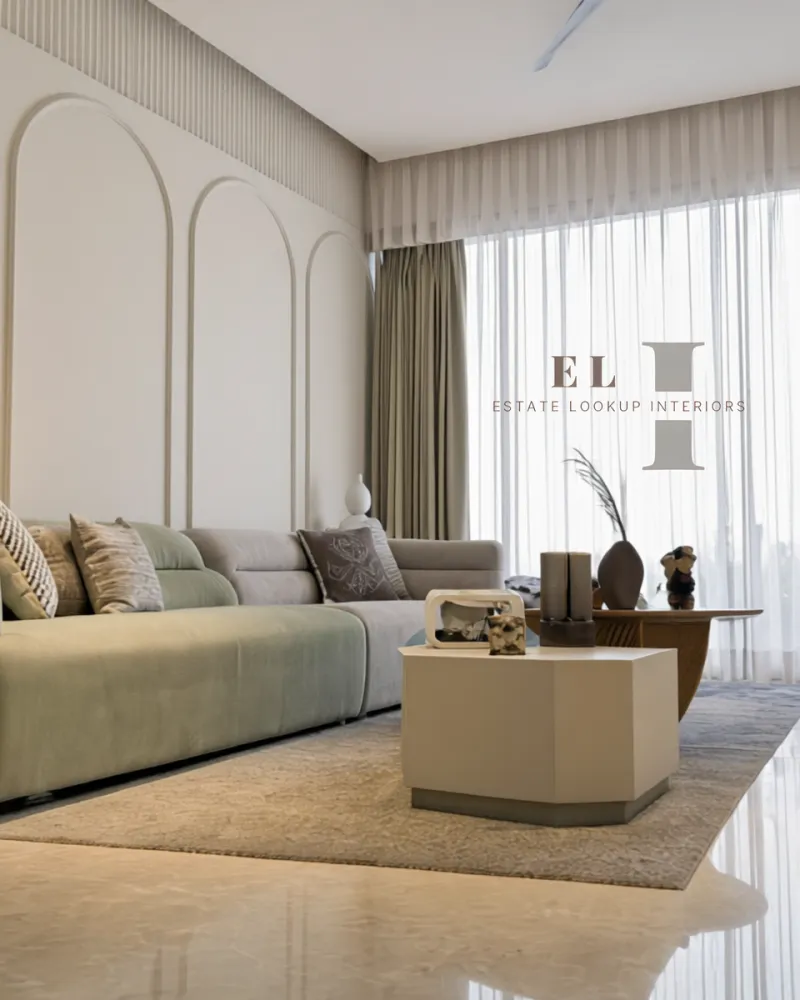
Photo: Qkzc568, CC BY-SA 4.0, via Wikimedia Commons
For decades, the conversation around luxury carpeting in the Hamptons has returned, reliably, to wool. Its resilience, its warmth underfoot, its forgiving nature in high-traffic corridors — wool has earned its reputation many times over. Yet among the most informed homeowners and the designers they trust, a quiet but consequential shift is underway. Natural fibers once considered niche or purely decorative are claiming prominent placement in estates from Bridgehampton to Montauk, and the reasons extend well beyond the pursuit of novelty.
To understand why silk, linen, jute, and their more obscure cousins are gaining ground, one must first appreciate what the most sophisticated clients are actually seeking. Distinction, certainly. But also a material authenticity — a connection to provenance and craft — that mass-produced synthetics simply cannot replicate. When a fiber carries the weight of centuries of textile tradition, it communicates something about the home and its occupant that no color palette or furniture arrangement can achieve alone.
Silk: The Undisputed Pinnacle of Carpet Luxury
No natural fiber inspires quite the same reverence as silk. Produced by the silkworm Bombyx mori through a process unchanged in its essentials for over five millennia, silk possesses a luminosity that is genuinely irreplaceable. Its surface reflects light in a manner that shifts with the angle of view, lending a carpet an almost living quality — one that changes character from morning to evening, and from summer to winter light.
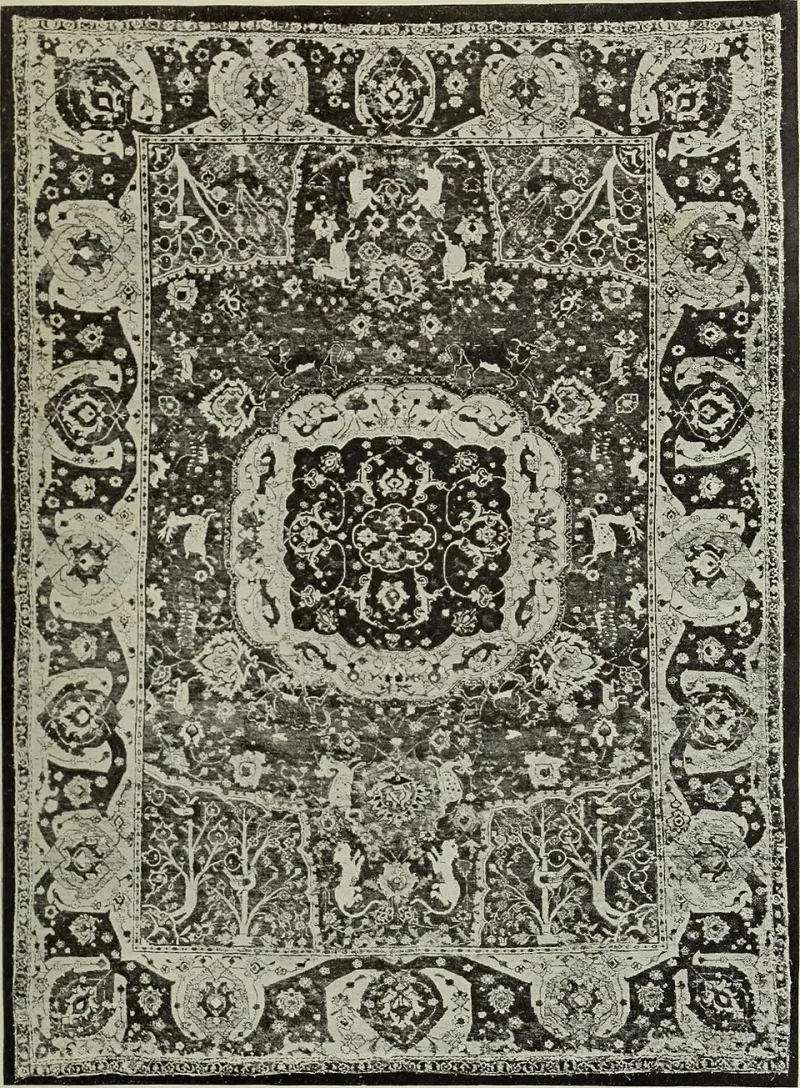
In practical terms, silk carpets are best understood as statement pieces rather than workhorses. Their fibers, while extraordinarily fine and lustrous, are more susceptible to crushing under heavy furniture and more sensitive to moisture than wool. For this reason, Hamptons designers most frequently deploy silk carpets — or silk-and-wool blends — in formal living rooms, primary bedroom suites, and dedicated dining rooms where foot traffic is intentional and controlled. A hand-knotted silk Persian or a contemporary Tibetan silk pile in a great room facing the Atlantic offers an experience of underfoot luxury that simply has no equivalent.
From an investment standpoint, antique and semi-antique silk carpets from Kashan, Qum, or Hereke have demonstrated consistent appreciation, making them meaningful additions to an estate's broader portfolio of decorative arts.
Linen: Understated Elegance for the Coastal Aesthetic
If silk is the showpiece, linen is the quiet sophisticate. Derived from the flax plant, linen fibers produce a carpet surface that is cool, smooth, and possessed of a natural, slightly irregular texture that reads as effortlessly refined — an aesthetic that resonates deeply with the relaxed formality that defines the best Hamptons interiors.
Linen carpets and rugs excel in spaces where a lighter visual weight is desirable. Their naturally pale, warm tones — ranging from creamy ivory to muted gold — complement the bleached-wood floors and whitewashed walls prevalent in coastal architecture without competing for attention. They are, in the truest sense, collaborators rather than protagonists.
It is worth noting that linen's performance profile differs meaningfully from wool. The fiber is less elastic, which means it does not spring back from compression as readily. This characteristic makes it most appropriate for lower-traffic areas and spaces where furniture placement is relatively stable. In return, linen offers a breathability and a cool-to-the-touch quality that is particularly welcome during the long Hamptons summer season.
Jute and Sisal: Elevating the Natural Weave Beyond the Casual
There was a time when jute and sisal were considered the province of beach houses and casual summer rentals — utilitarian choices made in deference to sand and salt rather than expressions of considered taste. That perception has been comprehensively revised. In the hands of skilled designers and weavers, these plant-based fibers have been transformed into sophisticated flooring solutions that hold their own in even the most formal interior contexts.
Jute, harvested from the Corchorus plant, produces a fiber that is softer underfoot than sisal and possesses a warm, golden-brown tonality that anchors a room with natural authority. High-quality jute carpets — particularly those featuring intricate herringbone, basketweave, or chevron constructions — bring textural depth to interiors that might otherwise feel overly polished or sterile.
Sisal, derived from the agave plant, is the more durable of the two and offers a slightly coarser texture that designers frequently use to introduce contrast. In rooms furnished with soft upholstery and layered textiles, a sisal carpet provides welcome visual tension and tactile variety. Both fibers respond beautifully to natural dye processes, allowing for custom colorways that integrate seamlessly with bespoke interior schemes.
The critical caveat for coastal homeowners: both jute and sisal are sensitive to moisture and should be protected from direct humidity or spillage. In the Hamptons environment, this typically means strategic placement away from pool access points and regular application of protective treatments.
Rare Blends: The Frontier of Natural Fiber Innovation
Perhaps the most compelling development in the natural fiber category is the emergence of sophisticated blended constructions that combine the strengths of multiple materials. A carpet woven from a blend of New Zealand wool and Chinese silk, for instance, achieves the lustrous surface of the latter with the structural resilience of the former — a genuine best-of-both proposition for clients who refuse to compromise.
Even more rarefied are blends incorporating cashmere, nettle fiber, or sea grass, each of which brings distinct qualities to the weave. Cashmere-blend carpets offer an almost implausible softness alongside a subtle sheen; nettle fiber contributes extraordinary tensile strength and a faint natural iridescence; sea grass introduces moisture resistance that makes it particularly well-suited to Hamptons applications.
The most exclusive manufacturers — many operating in Nepal, India, and Portugal — now offer fully bespoke blending services, allowing homeowners and their designers to specify fiber ratios, pile heights, and weave structures with a precision that places the resulting carpet firmly in the category of commissioned art.
Making the Informed Choice
Selecting a natural fiber carpet beyond the familiar parameters of wool is, ultimately, an exercise in self-knowledge as much as material knowledge. It requires an honest assessment of how a space is used, how light moves through it across seasons, and what role the floor is intended to play in the broader interior composition.
At Hamptons Carpet & Co., our role is to guide that conversation with both expertise and patience. The finest natural fiber carpets are not impulse acquisitions — they are considered investments in the character of a home, chosen with the same deliberation one brings to selecting a significant work of art. For those prepared to look beyond convention, the rewards are considerable and enduring.