The Art of the Honest Conversation: When Hamptons Designers Must Redirect a Client's Fiber Fantasy
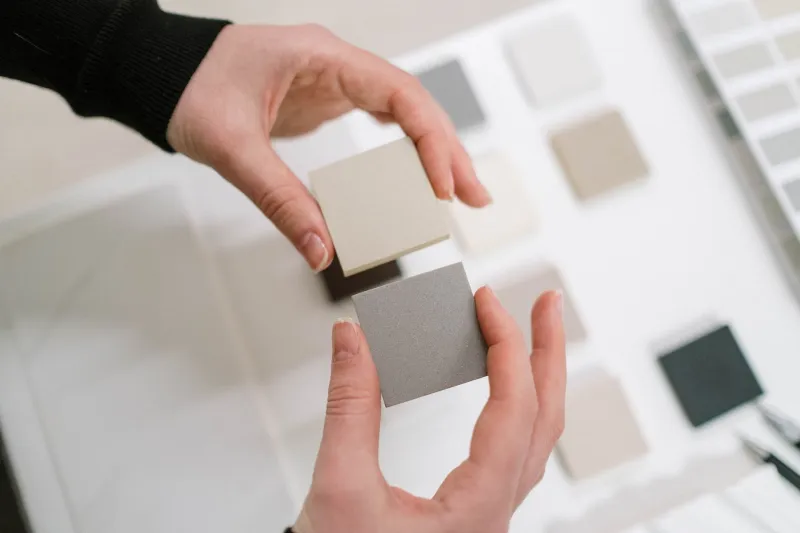
There is a particular silence that descends in a Hamptons design consultation the moment a client points to a swatch and says, with absolute certainty, that one. It is a silence that the most experienced carpet designers have learned to read with precision. Because sometimes, that swatch — that luminous, impossibly beautiful sample of raw silk, undyed sea grass, or hand-spun Himalayan wool — is precisely the wrong choice for the room in question. And what follows is perhaps the most consequential conversation in the entire design process.
The ability to redirect a client's fiber vision without fracturing the relationship is not taught in any design program. It is earned, slowly, through years of navigating the intersection of aspiration and reality in some of the most demanding private residences on the East End.
When the Dream Fiber Meets the Coastal Climate
The Hamptons present a specific environmental challenge that no amount of aesthetic ambition can override. Salt-laden air, elevated humidity levels from late spring through early fall, and the particular dampness that settles into oceanfront and bay-facing properties create conditions that are genuinely hostile to certain fibers — regardless of how exquisite those fibers appear in a showroom.
Undyed natural silk, for instance, is among the most coveted carpet materials in the luxury market. Its sheen is unmatched; its hand feel borders on the transcendent. Yet in a waterfront East Hampton residence where windows are frequently left open and the air carries a persistent marine moisture, silk pile can absorb humidity unevenly, leading to distortion, shading inconsistencies, and — in the most unfortunate cases — the slow degradation of the fiber's structural integrity.
A designer working with a client who has set her heart on a hand-knotted silk runner for her oceanfront entry hall faces a genuine professional test. The commission is substantial. The client's enthusiasm is real. And the rug is, objectively, beautiful. But recommending it would be a disservice.
The most skilled practitioners approach this moment not as a confrontation but as an education. They walk the client through what humidity does to protein fibers over time. They show examples — discreetly, without naming names — of what can go wrong. And then they introduce an alternative that honors the spirit of the original choice: perhaps a high-luster New Zealand wool with a hand-knotted construction that approximates silk's visual refinement while offering far greater resilience in coastal conditions.
Traffic Realities in Trophy Properties
Another friction point arises in homes where the social calendar is as demanding as the design brief. Many Hamptons estates function as year-round entertainment venues — hosting fundraising galas, weekend gatherings, and the kind of informal summer foot traffic that is simply incompatible with certain fiber categories, no matter how prestigious their provenance.
Hand-woven antique Tibetan rugs, for example, carry an irreplaceable cultural and monetary value. They are also, in many cases, structurally fragile — particularly those with open-field designs and lower knot counts that were never intended for high-traffic residential use. When a client wishes to place such a piece in a primary corridor or a great room that serves as the social hub of the home, the designer faces an obligation to speak plainly.
This is where the framing of the conversation matters enormously. The designer who says you cannot have that rug there risks appearing obstructionist. The designer who says that rug deserves a setting where it will be seen as a treasure rather than worn as a floor covering reframes the same concern as a form of reverence. The antique piece, in this telling, is too important to risk. The client is not being denied their vision — they are being invited to protect something genuinely rare.
The alternative, in these cases, might be a custom-commissioned piece that draws from the same aesthetic tradition — similar palette, comparable knotting style — but executed in a more durable wool blend specifically selected for longevity under social pressure.
The Maintenance Conversation Nobody Wants to Have
Perhaps the most uncomfortable redirection of all involves maintenance realities. Affluent clients are accustomed to acquiring beautiful things, but they are not always accustomed to the specific care demands those things require. And some fibers are, to put it plainly, unforgiving.
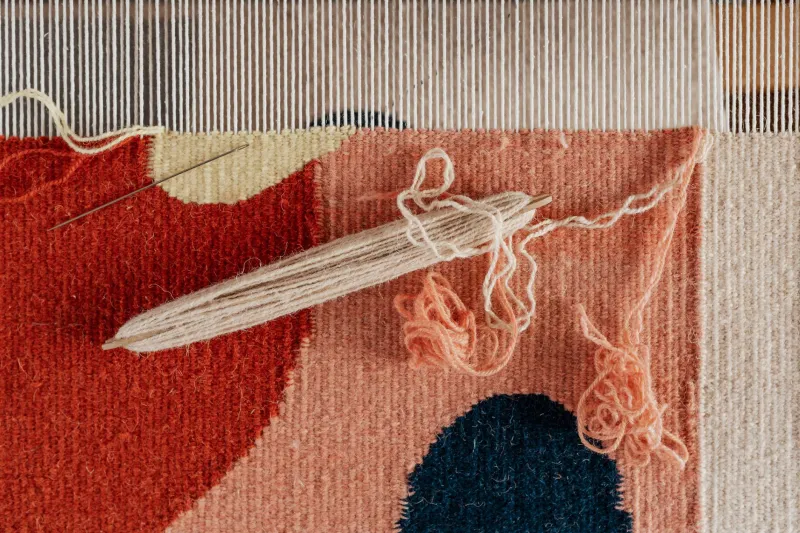
Undyed, hand-spun wool from heritage breeds — the kind sourced directly from small farms in the British Isles or the Peruvian highlands — is among the most romantically appealing options in the luxury carpet market. Its provenance is compelling; its texture is extraordinary; its natural lanolin content gives it a depth of character that no commercially processed fiber can replicate. It is also, in its most artisanal forms, highly susceptible to staining, difficult to clean without specialist intervention, and prone to moth damage if not actively managed.
In a Hamptons household with children, dogs, or simply the reality of muddy summer feet arriving from the beach, such a fiber is a liability dressed as a luxury. The designer who allows the client to proceed without full disclosure is not protecting the relationship — they are setting it up for a future collapse, likely at the moment the first significant stain proves impossible to remedy.
The honest designer delivers the maintenance reality in full, then pivots. There are treated heritage wools that preserve much of the artisanal quality while offering meaningful stain resistance. There are natural fiber blends that approximate the hand feel of the original without its vulnerabilities. The goal is never to diminish the client's vision but to find the version of that vision that will actually survive contact with lived life.
The Reputation That Rests on Saying No
It is worth noting that in the tightly networked social world of the Hamptons, a designer's reputation travels with remarkable speed. A beautiful installation that fails within two seasons — warping, staining, fading, or simply proving incompatible with the home's environment — reflects poorly on everyone involved. The client is disappointed. The designer is questioned. The referral network, which is the true currency of luxury design in this market, suffers.
Conversely, the designer who redirects a client away from a problematic choice and delivers something that performs as beautifully as it looks earns a different kind of loyalty. The client who was initially resistant to the alternative eventually becomes the designer's most enthusiastic advocate, precisely because the outcome exceeded their adjusted expectations.
This is the quiet paradox at the heart of the fiber redirection conversation: the willingness to disappoint a client in the short term is, in practice, the most reliable path to a long-term relationship built on trust.
Expertise as the Highest Form of Service
The most accomplished carpet designers working in the Hamptons today share a particular quality: they understand that their expertise is the product, not merely the vehicle through which a product is delivered. The swatch, the fiber, the weave — these are the materials. The judgment about which materials belong where, and under what conditions, and for what life — that is the service.
Saying no, when no is the correct answer, is not a failure of imagination. It is the clearest possible expression of professional integrity. And in a market where clients have every option available to them, the designer who earns a reputation for honest counsel will always have a seat at the table.